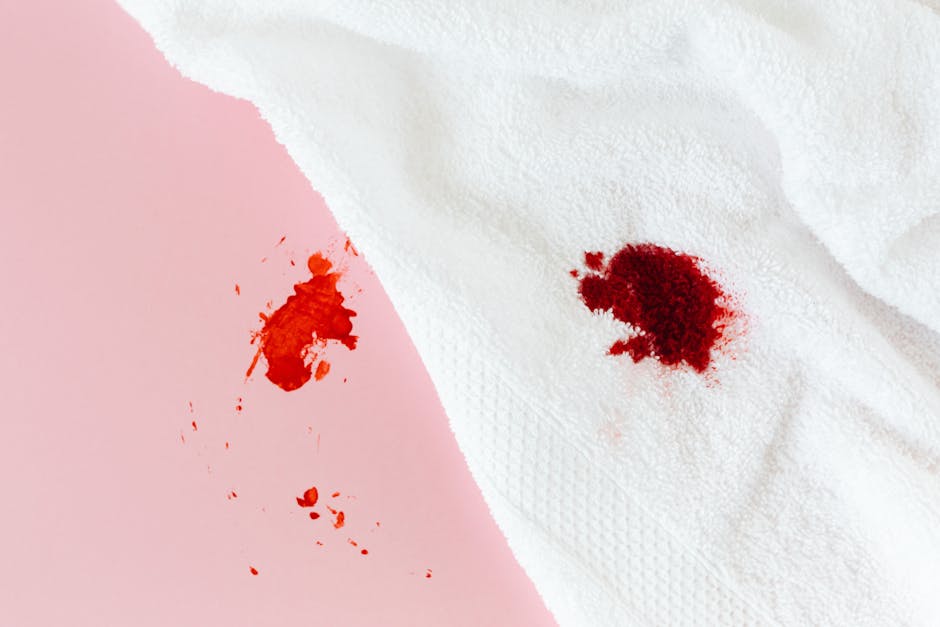
Emergency stain removal Hammersmith last minute availability
If you have just spilled wine on a cream carpet, noticed a coffee mark on the sofa before guests arrive, or found a mystery stain right when you need the room looking presentable, you do not have time for guesswork. Emergency stain removal Hammersmith last minute availability is about getting fast, local help when a stain is fresh, stubborn, or simply too risky to tackle with household products. In Hammersmith, that often means acting quickly, choosing the right treatment for the surface, and booking a specialist who can turn up when your schedule is already stretched.
This guide explains how urgent stain treatment works, what to expect from a last-minute booking, which mistakes can make things worse, and how to judge the right service for carpets, rugs, upholstery, curtains, mattresses, hard floors, and more. It is practical, clear, and built for real life. Because let's face it-stains rarely arrive at a convenient time.
Why emergency stain removal matters
The first hour after a spill often decides whether a stain stays faint or becomes a permanent feature of the room. Fabric, pile depth, dye stability, humidity, and the type of spill all change the outcome. Red wine behaves differently from grease. Pet accidents are not the same as mud tracked in from the street. Ink, paint, tea, fake tan, and food dyes each need a different approach. That is why emergency stain removal in Hammersmith is more than just a "quick clean"; it is a targeted response.
Last minute availability matters because the stain may be linked to an event, a tenancy handover, a business opening, or an unexpected visit. If you are dealing with a guest arrival, a landlord inspection, or a client-facing space, you need the problem reduced fast, not next week. In practical terms, urgent help gives you a better chance of saving the item, limiting odour, and preventing the stain from settling deep into fibres.
There is also the stress factor. A fresh stain can feel oddly bigger than it is. You look at it, you re-look at it, and suddenly the whole room feels off. A calm, capable response helps. Sometimes that means using a professional stain removal service straight away; sometimes it means stabilising the area until a technician arrives. Either way, speed and judgment matter far more than brute force.
Practical takeaway: the best emergency stain treatment is usually the one that starts early, uses the right chemistry for the stain, and avoids overwetting or scrubbing the surface into damage.
How emergency stain removal Hammersmith last minute availability works
In a last-minute scenario, the process should be simple. You describe the stain, the surface, how long it has been there, and what you have already tried. The more honest you are here, the better the result. If you already poured bicarbonate, vinegar, shop spray, or washing-up liquid on the area, say so. That affects the treatment plan, especially on delicate fibres.
A good provider will usually assess a few key things first: the material, the stain type, the likely set-in level, and the accessibility of the room. For example, a ground-floor flat in Hammersmith with a stain on a synthetic carpet is a different job from a third-floor apartment with wool rugs, narrow stairs, and a very impatient clock. Realistically, access and drying time can influence whether the job is done as a same-day visit, evening appointment, or urgent next-day slot.
For textile surfaces, the treatment may include spot testing, pre-treatment, agitation with a controlled method, extraction, rinsing, and odour neutralisation where needed. For hard surfaces, it can mean lifting residues safely without scratching or spreading them. If the issue is more than a stain-say a combination of stain and smell-then it may be better paired with pet stain and odour removal or a broader deep cleaning visit.
Last minute availability does not have to mean rushed work. It should mean responsive work. The best emergency services still follow a proper sequence, still test first, and still think about fibre safety. That bit matters. Quite a lot, actually.
Key benefits and practical advantages
There are several clear reasons people search for urgent stain help rather than waiting for a standard appointment. Some are obvious, some less so.
- Better chance of stain recovery: fresh spills are usually easier to lift than dried, heat-set, or repeatedly rubbed stains.
- Less risk of damage: using the wrong cleaner can bleach fabric, distort pile, or leave a sticky residue that attracts dirt.
- Faster return to normal: a quick turnaround helps if you are hosting, moving, or reopening a room for business.
- Reduced odour: liquid spills and biological stains can smell far worse if left overnight.
- Better presentation: this is especially useful in rental homes, Airbnb properties, offices, and shared spaces.
- Peace of mind: you know a trained cleaner is handling the problem instead of a "let's hope for the best" home remedy.
There is also a financial upside, even though people do not always think of it that way. A carefully handled spot clean can prevent wider replacement costs. Scrubbing a carpet until the backing is damaged is rarely the bargain it first appears to be. If the issue is broader than a single mark, a service such as one-off cleaning may make more sense than trying to patch the problem in stages.
And for commercial premises, a quick response can keep a reception, meeting room, or waiting area presentable without making a fuss. That sort of discretion is often underrated. A stain gone is one thing. A stain gone without the room looking worked over is better.
Who this is for and when it makes sense
This service is not just for dramatic emergencies. It is for anyone who needs a fast, sensible fix before a stain becomes a bigger problem.
- Homeowners and tenants: especially if the spill happened on carpet, rug, sofa, mattress, curtain, or upholstery.
- Landlords and letting agents: useful before viewings, inventory visits, or move-outs.
- Airbnb hosts: when a guest leaves a mark and the next check-in is already on the calendar.
- Offices and shops: for coffee spills, printer ink, food stains, and general presentation issues.
- Families with children or pets: because some stains are simply part of life, no drama required.
- Anyone dealing with delicate furnishings: wool rugs, upholstered chairs, curtains, and mattresses can be risky to treat without experience.
It also makes sense when the stain is not huge, but the location makes it awkward. A small mark in the centre of a pale carpet can be more visible than a larger stain tucked under a table. A coffee ring on an office sofa may be tiny, but it can change how the whole room feels. People notice these things more than they admit.
If the issue is part of a moving schedule, it can be sensible to combine stain help with move-out cleaning, end of tenancy cleaning, or move-in cleaning where relevant. That way the stain problem does not sit alone, awkwardly waiting for attention.
Step-by-step guidance
If you are dealing with a fresh spill right now, here is the safest practical sequence.
- Blot first, do not rub. Use clean white cloths or plain paper towels. Press gently and lift. Rubbing pushes the stain deeper.
- Identify the stain if you can. Food, wine, pet urine, makeup, oil, coffee, ink, and paint all need different treatment.
- Avoid random household cocktails. Mixing cleaners can make things worse, especially on coloured fabrics and natural fibres.
- Keep heat away. A hairdryer or hot water can set certain stains permanently. That is one of those annoying little truths.
- Protect the area. Keep pets, shoes, and foot traffic away from the spot until it has been treated.
- Take a photo before touching it too much. This helps if you later need to describe the stain to a specialist.
- Book urgent help if needed. For carpets and textiles, a specialist carpet cleaning or upholstery cleaning visit can prevent further damage.
If the stain is on a rug, a sofa, or a curtain, it is worth treating the item as a separate material rather than just "fabric". Construction, dye, backing, and stitching all affect the result. A rug, for instance, may need a gentler process than a hallway carpet. That is why a specialist rug cleaning service can be more appropriate than a generic approach.
If you are unsure whether the spill is safe to tackle yourself, the honest answer is often no. You can always stop after the first blotting step. Sometimes restraint is the clever move.
Expert tips for better results
In our experience, the difference between a decent outcome and a frustrating one often comes down to small decisions made in the first few minutes.
- Use plain white cloths: coloured cloths can transfer dye when damp.
- Work from the outside in: this helps stop the mark spreading.
- Test before applying anything: even mild products can react badly on wool, silk, velvet, or antique textiles.
- Keep notes on what happened: a cleaner will work faster if they know it was red wine rather than unknown sauce.
- Be realistic about the material: some stains improve a lot, some improve partially, and some may leave a faint shadow.
- Ventilate the room: fresh air can help with drying and odour, especially on sofas and mattresses.
For pet-related incidents, fast action matters twice over: the stain and the smell. Urgent treatment is often the easiest way to stop repeat marking, too. For deeper contamination or recurring issues, a dedicated pet stain odour removal approach is usually more effective than surface cleaning alone.
One small but useful tip: do not assume a stain is "gone" just because it looks lighter while wet. Some residues reappear after drying. That little ghost effect catches people out all the time.
Common mistakes to avoid
These are the habits that cause most avoidable damage. They are common, understandable, and still best avoided.
- Scrubbing hard: this frays fibres, spreads the stain, and can create a fuzzy patch.
- Using too much water: overwetting can push soil into the backing and extend drying time.
- Applying bleach or harsh solvents: unless a specialist has confirmed it is safe, this is risky.
- Using heat too soon: heat can lock in protein-based stains, some dyes, and oily residues.
- Waiting until the next day: the stain has more time to bond, oxidise, or smell.
- Forgetting about the surrounding area: a stain often leaves a halo if treated too aggressively in one small spot.
A common example is the kitchen-chair spill. Someone notices a coffee mark on an upholstered seat and reaches for whatever cleaner is nearest. The fabric lightens, then the weave roughens, then the stain looks larger after drying. Not ideal. A careful, local emergency service is usually a better route, especially for seats, cushions, and lounge furniture.
If the item is valuable, vintage, or structurally sensitive, stop early and ask for proper advice. That is not hesitation. It is good judgement.
Tools, resources and recommendations
You do not need a cupboard full of chemicals to handle the first stage well. In fact, too many products can become part of the problem. Keep it simple.
- White absorbent cloths or paper towels
- A clean spoon or blunt edge for lifting solids gently
- Cold water for initial blotting when appropriate
- Gloves if you are dealing with messy or biological stains
- A small fan or good ventilation to help drying
- Clear information for the cleaner: stain type, surface type, approximate size, and how long it has been there
If the stain is on soft furnishings, professional sofa cleaning, mattress cleaning, or curtain cleaning may be more suitable than spot treatment alone. These items often hold moisture and residue differently from carpets, so a one-size-fits-all method can be a bit blunt.
For hard surfaces, a hard floor cleaning approach may be needed, especially if the spill has left a sticky edge or dull patch. Kitchens, hallways, and bathrooms can show residue quickly under natural light. Morning light through a window has a habit of exposing everything, bless it.
If the issue is happening as part of a broader domestic clean, it can be worth combining it with domestic cleaning or house cleaning so the whole room feels sorted rather than half-finished.
Law, compliance, standards, and best practice
For stain removal, the main compliance concerns are usually safety, product handling, insurance, and the duty to avoid avoidable damage. There is no magic legal shortcut here; the best practice is to use methods that are suitable for the surface and safe for the occupants.
Professional cleaners should work with appropriate care, especially in occupied homes, shared buildings, rental properties, and commercial premises. That usually means practical attention to risk, ventilation, slip hazards, electrical equipment, and the safe use of chemicals. If the provider has a clear health and safety policy and sensible insurance and safety arrangements, that is a good sign. Not glamorous, but very reassuring.
For shared properties and business spaces, it is also sensible to think about cleaning access, stairways, drying times, and who is responsible for reporting incidents. In some cases, especially rentals and managed properties, keeping notes and photographs can help avoid confusion later. That is plain best practice, not drama.
Transparency also matters. If you are comparing urgent providers, look for clear pricing and quotes, straightforward payment and security information, and readable terms and conditions. Those pages do not remove a stain, of course, but they do tell you a lot about how the service is run.
Options, methods, and comparison table
Not every stain needs the same response. The best option depends on the material, the urgency, and how visible the mark is. Here is a quick comparison to help you judge the likely route.
| Method | Best for | Strengths | Limitations |
|---|---|---|---|
| DIY blotting and careful spot treatment | Very fresh, minor spills on robust surfaces | Fast, low cost, good first response | Easy to overdo; not ideal for delicate items |
| Professional emergency spot treatment | Urgent stains on carpets, sofas, rugs, upholstery | Targeted, safer for fibres, better stain-specific results | May still leave a faint mark if the stain is old or reactive |
| Full room or item cleaning | Multiple marks, odour, heavy traffic soil | More even finish and broader refresh | More time, more drying, sometimes more than you need |
| Specialist odour treatment | Pet incidents, damp smells, biological contamination | Targets smell as well as visible staining | May require repeat visits if contamination is deep |
In practical terms, a quick spot clean is usually fine when the spill is tiny, fresh, and on a tough surface. If the stain is on wool, velvet, a mattress, or a much-used sofa, professional help is the safer bet. For stubborn marks or a broader refresh, a steam carpet cleaning visit can sometimes be the right follow-up, provided the material suits that method.
Case study or real-world example
Picture a typical Friday evening in Hammersmith. A tenant has friends arriving in an hour, and someone knocks over a glass of red wine onto a pale lounge carpet. Not a huge spill, but enough to catch the eye the moment you walk in. They blot it first, then stop. Good call. A few minutes later, they realise the stain is still visible and the room smells a little sweet and sour, which happens more than people expect with wine.
The cleaner arrives with a clear description of the carpet fibre, confirms there was no bleach used, and tests a small section before treatment. The spot is reduced substantially, the surrounding pile is evened out, and the room is usable again without that "there's been an incident" feeling hanging in the air. The mark is not always magically invisible, because reality is annoying like that, but the result is tidy, controlled, and far better than a panic-scrub would have been.
That same job on an upholstered dining chair would need a different approach, and on a rug it might need more delicate handling. The lesson is simple: speed helps, but method matters just as much.
Practical checklist
Use this quick checklist if you need to act fast.
- Identify the stain source if possible.
- Blot gently with white cloths.
- Do not scrub or over-wet the area.
- Avoid heat until you know the stain type.
- Keep the area clear of foot traffic.
- Note the surface: carpet, rug, sofa, curtain, mattress, or hard floor.
- Take a photo before changing it too much.
- Tell the cleaner what products, if any, have already been used.
- Ask about availability and likely drying time.
- Check whether the service also covers odour or surrounding marks.
If you are planning beyond the immediate incident, it can help to think about wider upkeep too. A property with regular maintenance, for instance through regular cleaning, tends to cope better when the odd spill happens. Stains still happen. They just do less damage when the fabric is already well maintained.
Get a free quote today and see how much you can save.
Conclusion
Emergency stain removal Hammersmith last minute availability is really about control: controlling the spread, the damage, the odour, and the stress. When you respond quickly and choose the right method, you improve the odds dramatically. When you guess, scrub, or wait too long, the job gets harder in a hurry.
Whether the stain is on carpet, upholstery, a rug, a mattress, or a hard floor, the best next step is usually the simplest one: stop the stain from getting worse, gather the key details, and get help that understands both the material and the clock. That combination saves a lot of grief. And sometimes a bit of the room's dignity too.
If you need urgent support, stay calm, act early, and remember that most stains are less dramatic when dealt with properly. Small actions, right away, make a surprisingly big difference.
Frequently Asked Questions
How quickly can emergency stain removal be arranged in Hammersmith?
Availability depends on the time of day, the size of the job, and access to the property, but last minute bookings are often possible when the issue is urgent. The fastest route is to describe the stain clearly and be ready with access details.
What stains are hardest to remove on short notice?
Wine, ink, bleach damage, oil, makeup, pet accidents, and heat-set food stains are usually more difficult than fresh water-based spills. The age of the stain and the surface matter just as much as the stain itself.
Should I try to clean the stain myself before calling a professional?
Only lightly. Blotting with a clean white cloth is sensible. Beyond that, it is safer to avoid random cleaners unless you know the material and the stain type. A bad first attempt can make specialist treatment harder.
Can a same-day visit help if the stain has already dried?
Yes, often it can. Dried stains are tougher, but they are not automatically hopeless. A same-day or next-day appointment can still improve the appearance and reduce odour, especially if no harsh products have been used beforehand.
Is emergency stain removal suitable for sofas and upholstery?
Yes, provided the cleaner chooses a method that suits the fabric. Sofas and upholstered chairs can be delicate, so it is better to use a specialist than to soak the area at home and hope for the best.
Will the stain always disappear completely?
Not always. Some stains leave a faint shadow, especially if they have set, oxidised, or changed the dye in the material. A good treatment should still make a visible improvement and stop the stain from getting worse.
What should I tell the cleaner when I book?
Tell them what caused the stain, how long it has been there, what surface it is on, roughly how big it is, and whether you have already used any products. That helps them bring the right method and avoid unnecessary risk.
Do pet stains need special treatment?
Usually yes. Pet stains often involve both visible marking and odour, and they can soak deeper into padding or fibres. That is why pet stain odour removal is often the better choice for these incidents.
Can emergency stain removal help before a tenancy check-out?
Definitely. It is a common reason for urgent bookings. If a mark needs attention before move-out, it can be worth combining stain treatment with move-out cleaning or end of tenancy cleaning to keep the property presentation consistent.
How do I know if a cleaner is trustworthy for urgent work?
Look for clear information about insurance, health and safety, payment, and complaints handling. A provider that explains its process clearly and avoids vague promises is usually easier to trust than one that just says "we can probably sort it."
What is the most important thing to do in the first minute after a spill?
Blot gently and stop the stain from spreading. That simple step often does more good than anything else. After that, avoid heat and harsh rubbing until you know exactly what you are dealing with.
Can last minute stain removal be booked for commercial spaces too?
Yes. Offices, reception areas, shops, and communal spaces often need fast help when a stain appears before clients, staff, or visitors arrive. In those settings, presentation and speed matter side by side.
What if I have already tried a shop-bought stain remover?
Say so when you book. The product used, even if it seemed harmless, may affect how the stain behaves during treatment. Honest detail here is useful, not embarrassing. It just helps the cleaner avoid repeating a mistake.