Hammersmith Bridge rug cleaning and stain removal near the river
Posted on 14/06/2026
Living or working near Hammersmith Bridge has its own rhythm. The river air, busy foot traffic, damp winter days, summer open windows, and the occasional spill after a dinner or gathering all add up. That is why Hammersmith Bridge rug cleaning and stain removal near the river is not just a nice-to-have. It is the difference between a rug that looks tired, smells a bit musty, and keeps holding onto marks, and one that feels fresh, balanced, and worth keeping.
If you have a wool rug in a flat near the Thames, a hallway runner that catches muddy shoes, or a treasured piece that has picked up drink stains, pet accidents, or general grime, the approach matters. Clean too aggressively and you can damage the fibres. Leave it too long and the stain settles in, especially in a moisture-prone riverside setting. This guide walks through what really works, what to avoid, and how to decide when a specialist clean is the sensible move.
For readers exploring wider home care support in the area, our services overview and carpet cleaning in Hammersmith pages may also be helpful alongside the practical advice below.
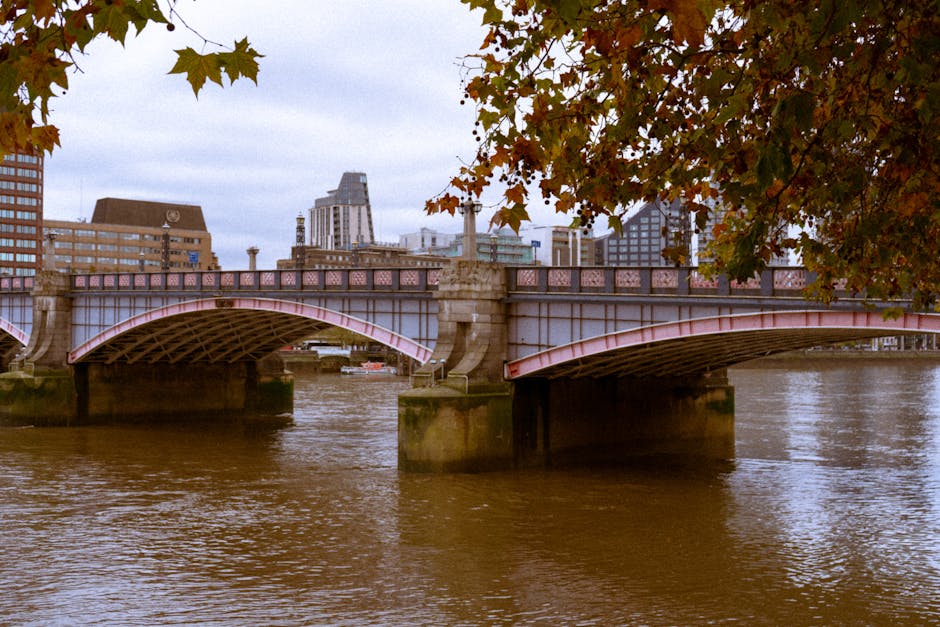
Why Hammersmith Bridge rug cleaning and stain removal near the river Matters
Rugs near the river face a slightly different kind of wear. Not dramatic, just persistent. Moist air can slow drying, dust settles differently in homes with open windows, and people coming in from the towpath or riverside streets bring in fine grit. If you have ever looked at a rug in daylight by the window and thought, "That looked cleaner last week," you are not imagining it.
Rugs are also one of those things people emotionally attach to. Maybe it is a wool Persian-style piece bought years ago, a rug that anchors a living room in a period property, or something practical under a dining table. Once a stain lands, the whole room can feel off. Coffee splashes, red wine, curry, muddy paw prints, makeup, even plain old water marks can all become oddly distracting. The stain becomes the story, unfortunately.
Near Hammersmith Bridge, timing matters too. The longer a spill sits, the more likely it is to migrate through the backing, affect underlay, or create a halo mark. That is especially true when humidity is already doing a little extra work in the background. Clean-up should be prompt, careful, and matched to the rug's fibre type. No guessing, no heroics.
There is also a hygiene angle. Rugs trap dust, pollen, and everyday debris. In homes with children, pets, or regular guests, a rug can look fine on the surface while holding a surprising amount of residue below the pile. A proper clean helps restore appearance, yes, but it also improves the feel underfoot. That clean, soft, almost springy touch. You notice it straight away.
How Hammersmith Bridge rug cleaning and stain removal near the river Works
Good rug cleaning starts before any liquid touches the fibres. First comes inspection: fibre type, dye stability, backing condition, age, and the nature of the stain. A wool rug, a synthetic rug, and a delicate handwoven piece will all need different handling. That is not marketing language. It is the reality of textile care.
In most proper cleaning processes, the cleaner will identify whether the mark is organic, oily, tannin-based, protein-based, or simply general soiling. A tea stain behaves differently from a grease mark. A pet accident is different again because of odour and contamination. In a riverside property, moisture-related dulling can also look like staining even when it is really a combination of residue and humidity.
The work usually follows a few broad stages:
- Dry soil removal - loose grit and dust are lifted first so they do not turn into muddy paste during cleaning.
- Pre-test and spot assessment - a small hidden area may be tested for colour fastness, especially on older or dyed rugs.
- Targeted stain treatment - the stain is treated with a method suited to the spill, not just blasted with a general cleaner.
- Deep cleaning - depending on fibre and construction, this may involve controlled hot water extraction, low-moisture cleaning, or hand-cleaning.
- Rinsing and residue removal - leftover detergent is removed so the rug does not attract dirt again too quickly.
- Drying and grooming - proper airflow, pile adjustment, and careful drying help the rug keep its shape.
That last point matters more than people think. A rug that is technically clean but still damp, flattened, or left with detergent residue will never quite feel right. It may smell a little off too. Truth be told, that is often where DIY cleaning falls short.
If the rug is particularly valuable, antique, silk-blend, or heavily damaged, the approach should be more conservative. Sometimes the right answer is not "more solution", it is slower and gentler work. A bit less exciting, maybe, but much safer.
Key Benefits and Practical Advantages
There are obvious benefits, like removing stains and improving appearance. But the real value runs a bit deeper than that.
- Better stain recovery: Fresh or recent marks have a far better chance of being lifted when treated properly.
- Longer rug life: Dirt particles act like tiny abrasives, so removing them helps reduce fibre wear.
- Improved indoor feel: Clean rugs make a room look and smell fresher, especially in compact London homes.
- Odour control: Spills, pets, and dampness can cling to fibres, and proper cleaning helps address the source rather than masking it.
- Better presentation: Useful for landlords, tenants, home movers, and anyone who wants a room to look cared for.
- Reduced temptation to replace: A good rug can be expensive. Cleaning often makes far more sense than buying again.
Near the river, one practical benefit is humidity management. A properly cleaned rug that dries correctly is less likely to develop lingering mustiness. That alone can make a flat feel more open. Small thing, big difference.
There is also peace of mind. People underestimate how much mental noise a stubborn stain creates. You see it every time you walk past. Get rid of it, and the whole room relaxes a bit. Sounds dramatic, but it is true.
Who This Is For and When It Makes Sense
This kind of cleaning is useful for homeowners, renters, landlords, letting agents, and small businesses near Hammersmith Bridge. It is especially relevant if the rug is in a high-use room, close to an entrance, or exposed to the sort of daily traffic that brings in grit from outside.
It also makes sense if you are dealing with one of these situations:
- a fresh spill that needs careful treatment
- a stain that has already set and changed colour
- a rug that smells slightly damp or stale
- animal-related marks or odours
- surface dirt that no vacuum seems to remove
- pre-tenancy or end-of-tenancy presentation
- post-party clean-up after guests, drinks, and the occasional near-disaster
If your home near the bridge is also being staged for sale or let, keep in mind that rugs can influence first impressions more than people expect. That is why some readers looking at broader property movement in the area also browse the Hammersmith housing market guide and the guide to investing in Hammersmith real estate. Clean interiors photograph better. Simple as that.
And if you have recently hosted friends, a birthday, or a small riverside get-together, the timing can be especially useful. A room can go from "nice evening" to "what happened here?" very quickly. We have all seen it.
Step-by-Step Guidance
If you are handling a rug stain at home before arranging professional cleaning, or just want to understand the process better, here is the practical order that usually makes the most sense.
- Act quickly but calmly. Blot, do not rub. Rubbing pushes the spill deeper and can distort the pile.
- Identify the spill if you can. Water-based drink? Oil? Food? Pet accident? The cleaner the diagnosis, the better the response.
- Test in an inconspicuous spot. Even mild products can affect dyes. A hidden corner is your friend here.
- Remove loose material. For solids, lift carefully with a spoon or blunt edge before any moisture is used.
- Apply the right treatment sparingly. Less is often more. Over-wetting can spread the mark or cause browning.
- Blot and repeat. Patience beats force. A small, repeated process usually works better than a single aggressive one.
- Dry thoroughly. Use airflow if appropriate. Near the river, that drying stage deserves extra attention.
- Check for residue or a ring mark. Sometimes a stain vanishes but the cleaning itself leaves a border. That is fixable, but it needs care.
For deeper or older stains, the sensible route is a specialist who understands fibre-specific cleaning. If you need more than rug care and want a broader refresh, the company's upholstery cleaning in Hammersmith page may be useful too, because sofas and rugs tend to collect the same family of problems.
A small reminder: if the rug is expensive or sentimental, do not start with the strongest product in the cupboard. That is how Saturday afternoons get weird.
Expert Tips for Better Results
There are a few habits that make rug cleaning go much better, and they are not especially glamorous.
- Lift stains early. Time is your ally only at the beginning. After that, not so much.
- Vacuum properly before wet cleaning. Grit can turn into slurry and spread the mess.
- Use minimal moisture on delicate rugs. Wool, silk, and older rugs generally need a gentler touch.
- Work from the outside inward. That helps stop the stain growing into a bigger patch.
- Dry with care. Air movement matters. A rug that dries evenly is less likely to end up with edges curling or a waterline.
- Think about the room conditions. A ground-floor flat near the river may need more drying time than a warmer upstairs room.
One useful detail many people miss: the stain is not always the main problem. Sometimes residue from previous cleaning is making the area grab dirt faster. That is why repeat spot-cleaning can create a cycle. You clean the mark, but the rug keeps looking patchy. Better to fix the underlying build-up where possible.
If you are trying to work out what level of clean your property needs, the house cleaning in Hammersmith and domestic cleaning services pages can help frame the wider upkeep picture. Rugs do not live in isolation, after all.
And yes, a decent pair of gloves and clean white cloths help more than most people expect. Not fancy. Just effective.

Common Mistakes to Avoid
Some mistakes are tiny. Others are rug-wrecking. The annoying part is that the biggest mistakes often feel like the most logical in the moment.
- Rubbing the stain hard: This frays fibres and drives the spill inward.
- Using too much water: Over-wetting can cause shrinkage, dye bleed, or a musty smell.
- Applying bleach or harsh household cleaners: These can strip colour or weaken the pile.
- Scrubbing wool or delicate fibres with stiff brushes: That can leave the rug looking fuzzy and uneven.
- Ignoring drying time: A rug that feels almost dry may still be damp underneath.
- Mixing products: Not a great idea. Some combinations are unpredictable, and not in a fun way.
A common riverside mistake is cleaning late in the day and assuming fresh air will do the rest. Maybe it will. Maybe it will not. Evening moisture and cooler temperatures can slow things down a lot. If you need a quick turnaround, plan the clean earlier and leave proper time for drying.
Another quiet problem is scent masking. If a rug smells bad after cleaning, the issue might not be "not enough perfume". It may be trapped contamination or residue. That is where professional treatment tends to do more than a surface refresh.
Tools, Resources and Recommendations
You do not need a truckload of equipment for good rug care. The sensible kit is smaller than people think.
| Tool or resource | What it helps with | Best use |
|---|---|---|
| Vacuum with adjustable suction | Removing dry grit and dust | Before any spot treatment or deep clean |
| White microfibre cloths | Blotting spills without transferring dye | Fresh stain response |
| Soft brush | Gentle pile grooming | After cleaning when the rug is dry |
| pH-conscious rug treatment | Targeted stain care | Only after testing and with the right fibre in mind |
| Good airflow | Faster, more even drying | Especially important in riverside homes |
For readers comparing service providers or trying to understand what is included, the pricing and quotes page and about us page are useful places to start. If security and reassurance matter to you, payment and security and insurance and safety are worth checking too.
One more practical recommendation: if you are managing a larger household, or cleaning after a busy event, consider pairing rug care with broader room maintenance. A clean rug in a dusty room does not stay clean for long. Bit unfair, really.
Law, Compliance, Standards and Best Practice
Rug cleaning itself is not heavily regulated in the way some specialist trades are, but there are still important standards and responsibilities to keep in mind, especially when work is being done in someone's home or business.
For cleaners, best practice generally means using products responsibly, following manufacturer guidance where available, protecting surfaces, and avoiding damage through careless methods. If chemicals are used, safe handling matters. That includes ventilation, sensible dilution, and keeping people and pets away from treated areas until they are safe and dry.
If you own or manage a property, you also have a practical duty to avoid passing on avoidable hazards. A rug left wet for too long can create slip risk. A badly handled stain treatment can damage fibres, fade colour, or leave residue that affects indoor comfort. Nothing glamorous there, but it matters.
For households with children, older residents, or pets, the cleaning approach should be especially careful. Strong odours, lingering damp, and slippery floors are all things worth avoiding. That is why careful drying and clear communication matter as much as the cleaning itself.
Where a company mentions policies such as health and safety or terms and conditions, it is a good sign that the practical side of the job has been thought through. You do not need legal jargon. You do need clarity, responsibility, and a tidy process.
Options, Methods and Comparison Table
Not every rug needs the same treatment. The best method depends on the fibre, the construction, the stain, and how much risk you can tolerate. Here is a simple comparison.
| Method | Best for | Advantages | Limitations |
|---|---|---|---|
| DIY blotting and mild spot treatment | Fresh, small spills | Quick, inexpensive, immediate | Risk of over-wetting or spreading the stain |
| Low-moisture rug cleaning | Delicate rugs, faster drying needs | Gentler and often better for riverside homes | May not fully remove deep contamination |
| Hot water extraction | Durable synthetic or sturdy wool rugs | Strong soil removal, good for deep cleaning | Not suitable for every rug; drying time matters |
| Hand cleaning and targeted stain work | Antique, fragile, or high-value rugs | Most controlled and cautious | Slower and usually more specialist |
As a rule of thumb, the more valuable or delicate the rug, the more careful the method should be. A quick clean is not always a good clean. And yes, a slightly slower one can be much more satisfying in the end.
Case Study or Real-World Example
A good example: a family living near Hammersmith Bridge had a medium-pile wool rug in the living room. It had picked up a tea spill, a faint pet odour, and the sort of general greying that happens after months of wet shoes and daily use. Nothing dramatic. Just enough to make the room feel a bit flat.
They tried a store-bought cleaner first. The tea mark lightened, but a pale ring appeared around it. Classic. Instead of going harder, they stopped, let the rug dry fully, and then used a more controlled stain treatment with careful rinsing and airflow. The rug improved a lot, but the real win was consistency: the whole surface looked even again, not just the stain spot.
What helped most was not one magic product. It was sequence. Vacuum first, test first, treat gently, dry properly. The rug did not need a dramatic intervention; it needed patient work and a bit of restraint.
Another small detail from that job: the room had a river-facing window that stayed open part of the afternoon. Lovely for fresh air, but it also brought in fine dust and meant the drying plan had to account for changing humidity. That is the sort of real-world thing that rarely appears in generic cleaning advice, yet it makes a difference.
Practical Checklist
Use this as a quick pre-clean checklist before you start or before you book help.
- Identify the rug material if possible.
- Check whether the stain is fresh or already set.
- Vacuum thoroughly before applying any treatment.
- Test any product on a hidden area first.
- Use blotting rather than scrubbing.
- Avoid soaking the backing or underlay.
- Allow enough drying time, especially near the river.
- Watch for colour bleed, shrinking, or texture changes.
- Consider specialist help for valuable or fragile rugs.
- Pair rug care with the rest of the room for a proper finish.
If you are cleaning before guests arrive, before a tenancy inspection, or just because the rug has started to bother you every time you sit down, a checklist keeps things from becoming a panic job. Honestly, that alone is worth it.
Get a free quote today and see how much you can save.
Conclusion
Hammersmith Bridge rug cleaning and stain removal near the river comes down to three things: act early, choose the right method, and respect the rug's material. The riverside setting adds a few extra wrinkles, mainly humidity and drying challenges, but the core principle stays the same. Gentle, informed care wins far more often than aggressive cleaning ever does.
If your rug is part of a room you actually care about, it deserves more than a quick scrub and a hope for the best. Treat the spill properly, dry it properly, and if needed, bring in someone who knows how to handle the fibres without making the whole job worse. That bit matters. A lot.
And when the rug finally looks right again, the whole room tends to breathe easier. Nice feeling, that.