Ravenscourt Park mattress cleaning after kids and pets W6
Posted on 22/06/2026
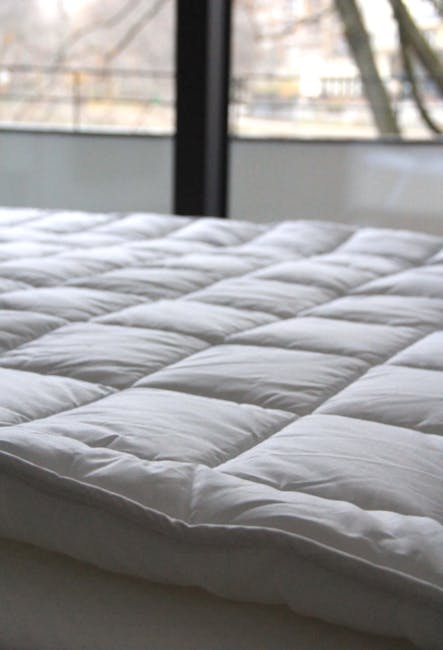
Ravenscourt Park Mattress Cleaning After Kids and Pets W6
If you live in Ravenscourt Park and your mattress has had a busy life with children, pets, snacks, bedtime accidents, and the odd muddy paw print, you already know the problem. A mattress can look fine at first glance and still hold on to odours, stains, allergens, and that slightly tired feeling no amount of fresh sheets seems to fix. Ravenscourt Park mattress cleaning after kids and pets W6 is about getting that sleep surface properly refreshed, not just made to look presentable for ten minutes.
This guide walks you through what mattress cleaning involves, why it matters in homes with children or animals, how the process works, and what to expect if you are deciding between doing it yourself or booking a professional clean. It is practical, local, and written for real households - the kind where life happens, a lot.
Why Ravenscourt Park mattress cleaning after kids and pets W6 matters
Let's face it: mattresses take more abuse than almost any other item in the home. In a family household, they collect sweat, skin cells, crumbs, spills, drool, pet hair, dust, and whatever else lands there during a normal week. Add in a toddler with a juice cup or a dog who thinks the bed is theirs, and the mattress starts to become less of a sleep sanctuary and more of a quiet storage unit for everyday life.
In Ravenscourt Park, many homes are well-kept, but busy homes still need deeper maintenance. A mattress may not show its problems clearly. That is part of the issue. A faint smell, a damp patch after an accident, or a slightly musty feel can sit below the surface long after the visible stain has faded. Kids and pets can also leave behind bacteria-friendly moisture if spillages are not dealt with quickly. You do not need a dramatic incident for a mattress to need attention.
There is also the comfort factor. A mattress that holds odours, pet dander, or dust can feel less inviting at night, especially if someone in the household is prone to sneezing or has sensitive skin. That does not mean every mattress problem is a health problem, but it does mean regular cleaning is part of sensible home care, not a luxury add-on.
Expert summary: If a mattress in a family or pet household has visible marks, persistent odour, or recurring dampness, a proper deep clean usually makes more difference than a quick surface wipe ever will.
For many residents, this is also about extending the mattress life. Quality mattresses are not cheap, and replacing one early because of stubborn contamination is frustrating. Better to look after it well now than deal with a lumpy, smelly replacement later. Simple enough, really.
How Ravenscourt Park mattress cleaning after kids and pets W6 works
The best mattress cleaning approach depends on the mattress type, the nature of the stain, and how long the problem has been sitting there. Most effective cleaning follows a few common stages: inspection, dry soil removal, targeted stain treatment, deeper extraction or controlled cleaning, and drying. The exact method varies, but the logic is the same - remove contamination without soaking the mattress or damaging the filling.
First comes inspection. A cleaner should identify the fabric type, any care labels, and whether the stain is organic, oily, or simply general grime. That matters because urine, milk, vomit, and pet accidents behave differently from muddy footprints or sweet drink spills. Using the wrong approach can actually set a stain or make an odour worse. A bit annoying, but very common.
Next is surface preparation. Dust and loose debris are removed, usually with strong vacuuming and upholstery tools. This step is often underestimated. If you skip it, you can push dirt deeper into the mattress during cleaning. For homes with pets, it also helps remove embedded hair that loves to cling to fabric like it pays rent.
After that comes treatment. On many mattresses, this means applying a suitable cleaner to the marked area, agitating lightly, and then extracting or blotting the residue. Professionals often use controlled moisture and specialist extraction equipment so the mattress is cleaned thoroughly without getting saturated. That balance matters. Too much water can lead to long drying times, odours, and in bad cases, internal moisture trapped inside the mattress layers.
The final stage is drying. You really do want this done properly. A mattress that still feels damp at the core can become musty, especially in a London flat with limited airflow. Open windows help. Fans help more. Heat, used carefully, can help too. The aim is clean and dry, not just freshly wet. There is a difference.
For many households, the smartest route is to combine professional mattress cleaning with broader home cleaning support. If the bedroom, landing, and bedding cycle are all part of the problem, a wider refresh can make the result last longer. Services such as domestic cleaning support or house cleaning in Hammersmith can help keep the whole room healthier after the mattress itself has been treated.
Key benefits and practical advantages
The main benefit is obvious: a cleaner mattress. But there is more to it than that, and in real life those extra gains are often what people notice most.
- Less odour: Pet smells, sour milk traces, and general stale odours are reduced when the source is properly treated.
- Better sleep comfort: A fresher mattress simply feels more inviting at bedtime.
- Reduced allergen build-up: Regular cleaning can help remove dust, pet dander, and other particles that build up over time.
- Improved appearance: Stains and marks are less likely to dominate the mattress surface.
- Longer mattress life: Good maintenance can delay wear and help protect your investment.
- More peace of mind: Especially after a child's accident or repeated pet contact, you know the bed has been dealt with properly.
There is also a practical family benefit that gets overlooked: cleaner sleep environments can make it easier to stick to routines. A fresh mattress, clean bedding, and a room that does not smell slightly off in the morning - that kind of thing matters more than people admit.
If you are preparing a bedroom for a guest, family visit, or even a property handover, mattress cleaning can also support a broader cleaning plan. It is often one of those details that gets forgotten until the last minute. Then everyone remembers it at once.
Who this is for and when it makes sense
This service is especially relevant if you have:
- young children who sometimes spill drinks or have nighttime accidents
- dogs or cats that sleep on the bed, or jump up regularly
- a mattress with recurring pet odour
- old stains that keep reappearing after surface cleaning
- a guest bed that has been stored, unused, or affected by damp
- allergy concerns in a bedroom with heavy soft furnishing use
- a rented property where the mattress needs to be left presentable and fresh
It makes sense after a single incident, but also as part of periodic maintenance. In a busy family home, waiting until a mattress smells bad is usually too late. A quick response after a spill is best, but if the stain has already set, a deeper clean is often the only real solution.
There is a local reality here too. Many homes around Ravenscourt Park and wider W6 have compact bedrooms or limited drying space. That means a methodical clean matters more than a rushed one. If a mattress cannot dry properly, the problem moves from stain removal to moisture management, and nobody wants that.
To be fair, some people try to ignore a mattress issue because the sheets cover it. But once you know something is there - especially an odour - you keep noticing it. Better to sort it.
Step-by-step guidance
Here is a practical way to approach Ravenscourt Park mattress cleaning after kids and pets W6, whether you are doing a small spot clean or arranging a deeper service.
- Strip the bed completely. Remove all bedding, protectors, and throws. Wash what can be washed straight away.
- Inspect the stain closely. Look for edges, colour, and smell. Old urine stains, for example, often need different treatment from food spills.
- Vacuum the mattress thoroughly. Use an upholstery attachment if available and go slowly across the surface.
- Test any product first. Use a hidden patch if you are trying a cleaner for the first time.
- Treat the stain in stages. Apply a suitable cleaner lightly, blot, and repeat rather than soaking the area.
- Work from the outside in. This reduces the chance of spreading the stain.
- Control moisture carefully. Too much liquid can push the problem deeper into the mattress.
- Use a clean cloth for each pass. Otherwise you can transfer dirt back onto the fabric.
- Dry thoroughly. Airflow is essential. If possible, use a fan and keep the room ventilated.
- Reassess once fully dry. Some marks fade after the mattress dries; others may need a second round.
If the stain is biological - pet urine, vomit, or a child's accident - speed matters. The sooner you act, the less likely it is to sink into the mattress core. Still, even an old mark is not always a lost cause. It may just need a more patient process and better equipment than a household spray.
A useful rule of thumb: if the mattress smells worse after cleaning, it usually means too much moisture was used or the residue was not fully removed. That is not the time to panic. It is the time to dry it properly and, if needed, bring in a professional cleaner who understands upholstery and mattress fibres.
Expert tips for better results
Some of the best results come from simple habits. Nothing fancy. Just consistent, sensible care.
Use a mattress protector from day one. It is one of the easiest ways to reduce the damage from spills, accidents, and pet contact. A protector will not stop everything, but it buys you time and helps prevent liquids from reaching the interior.
Act quickly on fresh spills. Blot, do not rub. Rubbing pushes the liquid around and can rough up the fabric. Pressing gently with a white cloth is usually safer.
Keep pets off the bed when you can. Easier said than done, obviously. But if your dog is a regular sleeper on the mattress, build that into your cleaning routine instead of pretending it is a rare event.
Air the mattress regularly. Once every so often, strip the bedding and let the mattress breathe. Even a couple of hours makes a difference if the room has decent airflow.
Rotate the mattress where appropriate. Check the manufacturer guidance first, because not every mattress should be flipped or rotated the same way. Still, even wear helps prevent one area from becoming the family disaster zone.
Use fragrance carefully. Strong perfumes can mask a problem for a day and then leave you with a damp, mixed smell later. Not ideal. Clean the source instead.
Think beyond the mattress. If the bed base, headboard, or surrounding carpet also holds odours, the room may still feel unclean after mattress treatment. In those cases, a broader clean can help, including upholstery cleaning for nearby soft furnishings or carpet cleaning in Hammersmith.
A small but important tip: keep one dedicated cloth or towel for pet-related cleaning. It sounds minor, but it helps you avoid cross-contaminating other rooms. A bit dull, yes, but it works.

Common mistakes to avoid
There are a few mistakes that come up again and again. Avoiding them can save you time, smell, and money.
- Using too much water: This is probably the biggest one. Mattresses are not meant to be soaked.
- Rubbing stains aggressively: That can damage fibres and spread the mess further.
- Skipping drying time: A mattress that is still damp is not truly clean yet.
- Using harsh bleach-based products: These can discolour or weaken fabrics unless specifically suitable.
- Ignoring the mattress core: Surface looks fine? Great. But if odour lingers, the problem may be deeper.
- Assuming all odours are the same: Pet smells, food spills, sweat, and mildew need different approaches.
- Cleaning only the visible patch: Stains often spread beyond the obvious centre.
Another mistake is waiting too long because the mattress is "only for the spare room." Spare rooms can be the worst, truth be told. They sit unused, absorb moisture quietly, and then surprise you when the in-laws arrive. Happens more often than people admit.
If the mattress has a stubborn smell or repeated staining, do not keep layering product on top of product. That usually makes things worse. Pause, dry, reassess, and choose a cleaner method.
Tools, resources and recommendations
You do not need an entire van of kit to keep a mattress in decent shape. But the right basics help.
- Vacuum cleaner with upholstery attachment: Useful for dust, hair, and loose debris.
- Microfibre cloths: Good for blotting without leaving lint.
- Mattress protector: Probably the most valuable prevention tool.
- Enzyme-based cleaner: Often useful for organic messes such as pet accidents, provided it is suitable for the material.
- Fan or good airflow: Essential for drying.
- Soft brush or clean hand brush: Handy for loosening surface debris before vacuuming.
For households that want a broader refresh, it can help to align mattress care with the rest of the property. That might include a regular cleaning rhythm through service options and cleaning support or a one-off visit after a busy family period. If you are in a smaller flat, drying and ventilation matter even more, so good planning pays off.
Another useful resource is your mattress care label or manufacturer guidance. It may not be the most exciting thing to read, but it tells you what the mattress can and cannot tolerate. A few minutes with that label can save a costly mistake.
Law, compliance, standards and best practice
For domestic mattress cleaning, there usually is not a complicated legal process involved. Still, there are standards and common-sense practices worth following, especially if the property is rented or the mattress belongs to a landlord-managed home.
First, cleaning products should be used safely and according to the manufacturer instructions. That sounds obvious, but it matters. Over-wetting, mixing chemicals, or using a cleaner on an unsuitable fabric can cause damage or leave residues. In shared housing or rental settings, good ventilation and safe handling are part of normal housekeeping practice.
If you are a tenant, it is sensible to keep evidence of good care when you move out. If you are a landlord or managing agent, mattresses and bedding items should be maintained in a clean, safe condition before new occupants arrive. That is just part of reasonable property management. For tenancy turnarounds, a broader deep clean may be more efficient, and you can see how that fits with end of tenancy cleaning in Hammersmith.
For cleaning businesses, the important points are transparency, appropriate product choice, and safe working methods. Customers should expect clear explanations about what can be removed, what may only fade, and how long drying will take. If a stain is permanent, honesty is better than overpromising. Nobody benefits from fairy tales here.
Best practice also means protecting surrounding surfaces, working with controlled moisture, and respecting the material. A professional cleaner should be able to explain the process in plain English. If they cannot, that is worth noticing.
Options, methods, or comparison table
There are three common ways people approach mattress cleaning after kids and pets: DIY spot cleaning, rented or domestic cleaning equipment, and professional mattress cleaning. Each has a place. The right choice depends on the stain, urgency, and how much drying space you have.
| Method | Best for | Pros | Limitations |
|---|---|---|---|
| DIY spot cleaning | Fresh minor spills, light marks | Quick, cheap, easy to start immediately | Risk of overwetting or pushing stains deeper |
| Rental or home cleaning equipment | Moderate staining, larger areas | More powerful than hand cleaning | Can still leave moisture if used carelessly |
| Professional mattress cleaning | Odours, repeated pet accidents, older stains, family use | Controlled process, stronger extraction, better drying approach | Usually higher cost than DIY |
If the stain is fresh and small, a careful DIY response may be enough. If the smell has settled in, or the mattress has multiple problem areas, professional cleaning is usually the safer bet. In our experience, once people start trying three or four DIY products in a row, the cleaning job becomes more difficult, not less.
There is also a practical angle around time. Families do not always have the luxury of leaving a mattress out to dry for a full day. Professionals can often move through the job with more control, which is a big plus in a busy home.
Case study or real-world example
A typical Ravenscourt Park example might look like this: a family with two children and a small dog notices a sour smell in the main bedroom. Nothing dramatic happened recently, but over several months there have been a few bedtime accidents, a spilt yoghurt pot, and the dog has started sleeping at the foot of the bed on cold nights. The mattress still looks usable, but the smell becomes more noticeable when the room warms up in the evening.
They start with the usual approach. Fresh bedding, air freshener, maybe a quick wipe. It helps for a short while, then the smell returns. That is often the point where a deeper clean makes sense. The mattress is vacuumed, treated in stages, carefully extracted, and left to dry with good airflow. Once dry, the room feels different - lighter, less stale, more comfortable to step into at night.
What tends to surprise people is how much the bedroom atmosphere changes after the mattress is properly cleaned. It is not just about the stain disappearing. It is the sense that the room has been reset a bit. The curtains look the same, the walls look the same, but the bed no longer carries the smell of "something happened here." That matters.
If the rest of the room has absorbed some of the odour too, pairing the mattress clean with house cleaning support or related soft furnishing care can improve the result. One thing leads to another, really.
Practical checklist
Use this checklist before and after mattress cleaning.
- Strip the bedding completely
- Check for care labels or material guidance
- Vacuum the mattress surface and edges
- Identify whether the stain is fresh, old, wet, or odorous
- Test any cleaner on a hidden area first
- Blot, do not rub
- Use minimal moisture
- Work from the outside of the stain inward
- Allow full drying with windows or fans where possible
- Recheck for odour once dry
- Wash protectors, duvets, and bedding separately
- Consider a mattress protector for future spills
That is the whole game, more or less. Not glamorous, but effective.
Conclusion
Ravenscourt Park mattress cleaning after kids and pets W6 is not just about removing a stain. It is about restoring a sleep space that has had a busy life and making it comfortable again. Whether you are dealing with a fresh accident, stubborn pet odour, or a mattress that simply feels overdue for a reset, the right cleaning approach can make a noticeable difference.
The main things to remember are simple: respond quickly, use the right method for the mess, avoid soaking the mattress, and give drying the time it deserves. If the problem is more than a small surface issue, a professional clean is usually the safest and most efficient option. Clean well, dry fully, and protect it going forward.
Get a free quote today and see how much you can save.
And if you are looking after a family bed in a real, lived-in home, that fresh, quiet moment at bedtime when the room just feels right? Honestly, that is hard to beat.